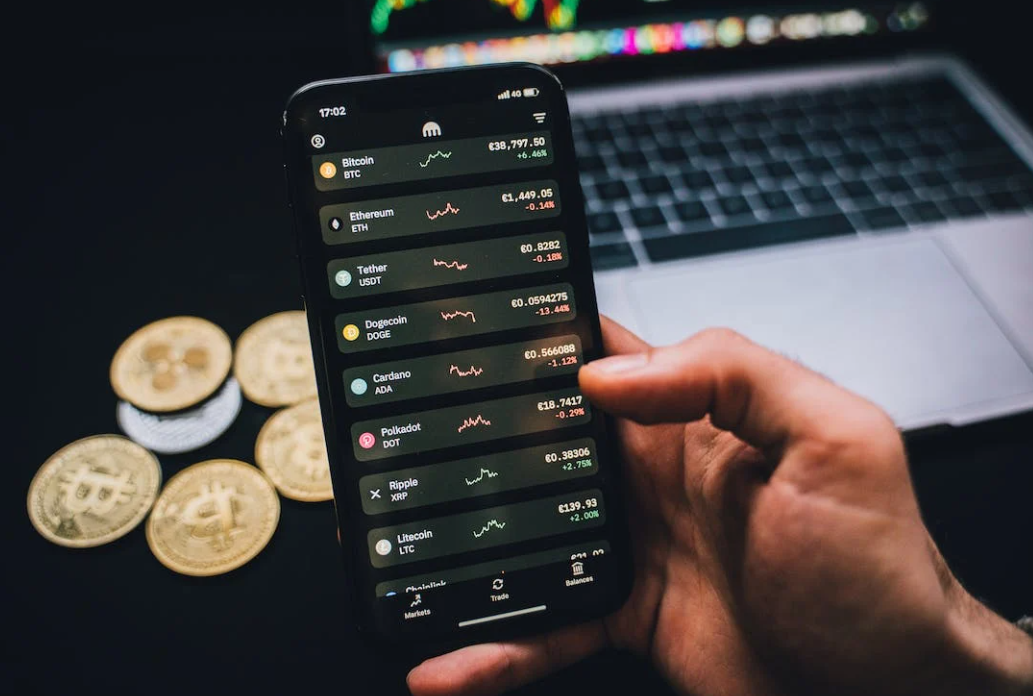
Cryptocurrency wallets are digital wallets that allow individuals to store, receive, and send cryptocurrencies, such as Bitcoin, Ethereum, and others. Cryptocurrency wallets play a critical role in the cryptocurrency ecosystem, as they provide a secure and convenient way to manage and use cryptocurrencies.
Cryptocurrency wallets work by storing private keys, which are unique codes that give individuals access to their cryptocurrencies. The private keys are stored either on a physical device, such as a hardware wallet, or on a server, such as an online wallet.
When an individual wants to send or receive cryptocurrencies, they use their private key to sign a transaction and broadcast it to the network. The network then verifies the transaction and adds it to the blockchain, which is a decentralized ledger that records all transactions on the network.
There are several types of cryptocurrency wallets, including:
- Online wallets: Online wallets are digital wallets that are stored on a server, and are accessible from any device with an internet connection. Online wallets are typically easy to use and convenient, but they also come with security risks, as the private keys are stored on a server that can be hacked or compromised.
- Hardware wallets: Hardware wallets are physical devices that store private keys offline, making them more secure than online wallets. Hardware wallets come in the form of USB drives, and are typically compatible with a range of cryptocurrencies.
- Mobile wallets: Mobile wallets are digital wallets that are stored on a mobile device, such as a smartphone or tablet. Mobile wallets are convenient and easy to use, but they also come with security risks, as the private keys are stored on a device that can be lost or stolen.
- Desktop wallets: Desktop wallets are digital wallets that are stored on a desktop computer, and are accessible from that computer. Desktop wallets are typically more secure than online wallets, as the private keys are stored on the user’s computer, but they are also less convenient than mobile or online wallets.
When choosing a cryptocurrency wallet, it is important to consider factors such as the security of the wallet, the level of control you have over your private keys, and the ease of use of the wallet. It is also important to research the reputation of the wallet provider, and to ensure that the wallet provider has a strong track record of security and reliability.
It is also important to note that the security of your cryptocurrency wallet is only as strong as the security measures you have in place to protect it. For example, if you use an online wallet, it is important to use strong passwords and to enable two-factor authentication to increase the security of your account.
In addition, if you use a hardware wallet, it is important to store the device in a secure location, and to make sure that it is protected from physical damage or theft. You should also consider creating a backup of your private keys, in case you lose access to your hardware wallet or if it is damaged.
Another important aspect of cryptocurrency wallets is their compatibility with different cryptocurrencies. Some wallets only support a limited number of cryptocurrencies, while others support a wide range of cryptocurrencies. When choosing a cryptocurrency wallet, it is important to consider the cryptocurrencies that you want to store and use, and to ensure that the wallet supports those cryptocurrencies.
It is also important to understand the different features and benefits of different types of cryptocurrency wallets. For example, hardware wallets offer a high level of security, as the private keys are stored offline, but they are also more expensive and less convenient than other types of wallets. On the other hand, online wallets are easy to use and accessible from any device, but they come with a higher risk of security breaches.
When choosing a cryptocurrency wallet, it is important to weigh the different features and benefits of each type of wallet, and to choose a wallet that best meets your needs and preferences. For example, if you are looking for a secure and long-term storage solution for your cryptocurrencies, a hardware wallet may be the best option. On the other hand, if you need a convenient and accessible wallet for day-to-day use, a mobile or online wallet may be a better choice.
In addition, it is important to be aware of the potential risks and challenges associated with cryptocurrency wallets, such as hacking, phishing attacks, and other forms of financial crime. To reduce the risk of these threats, it is important to choose a reputable and secure wallet provider, to use strong passwords and two-factor authentication, and to stay informed about the latest developments and trends in the field.
Another important aspect of cryptocurrency wallets is the ability to manage multiple cryptocurrencies within a single wallet. This is known as multi-currency or multi-asset wallets, and they offer users the convenience of managing multiple cryptocurrencies in one place, rather than having to use separate wallets for each currency.

It is also worth noting that some cryptocurrency wallets also offer additional features and benefits, such as built-in exchanges, the ability to earn interest on your cryptocurrencies, and the ability to use cryptocurrencies for everyday purchases. These features can make cryptocurrency wallets even more versatile and convenient, and can help users to get the most out of their investments in cryptocurrencies.
It is also important to note that some cryptocurrency wallets offer different levels of control over your private keys. For example, some wallets give users full control over their private keys, while others hold the private keys on behalf of the user. The level of control that you have over your private keys is an important factor to consider when choosing a cryptocurrency wallet, as it can impact the security of your investments and your ability to manage your cryptocurrencies.
In conclusion, cryptocurrency wallets are digital wallets that allow individuals to store, receive, and send cryptocurrencies. Cryptocurrency wallets work by storing private keys, which are unique codes that give individuals access to their cryptocurrencies. There are several types of cryptocurrency wallets, including online wallets, hardware wallets, mobile wallets, and desktop wallets. When choosing a cryptocurrency wallet, it is important to consider factors such as security, ease of use, and the reputation of the wallet provider.