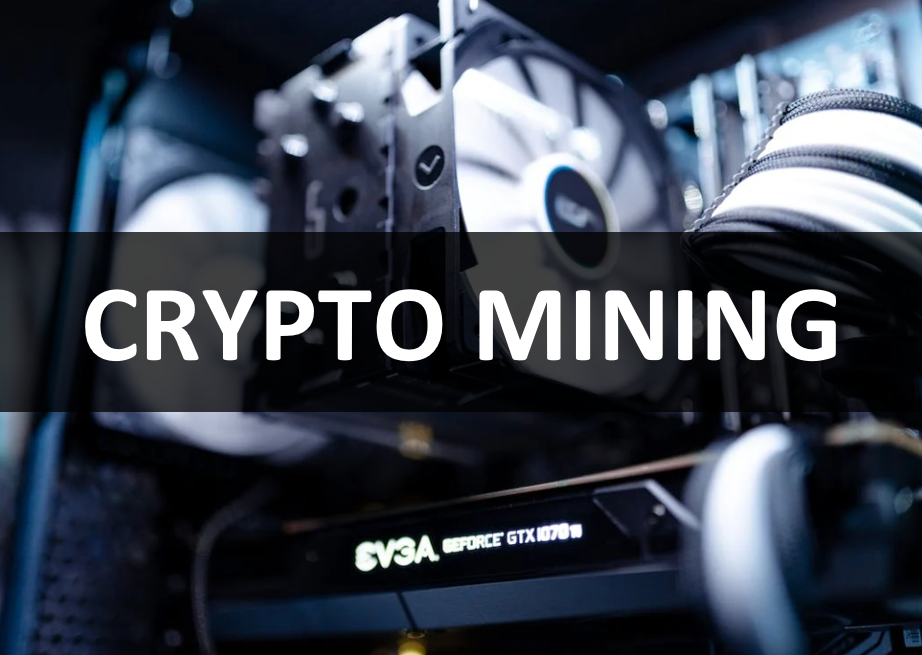
Cryptocurrency mining is the process of creating new units of a specific cryptocurrency. It is an essential part of the cryptocurrency ecosystem, and is used to validate and secure transactions, as well as to control the creation of new units of the currency.
The process of mining involves solving complex mathematical problems using specialized computer hardware. When a miner successfully solves a problem, they are rewarded with a certain number of cryptocurrency units, which are added to the blockchain.
The blockchain is a decentralized ledger that records all transactions for a specific cryptocurrency. It is maintained by a network of computers, known as nodes, that work together to validate and record transactions. Mining helps to ensure the integrity and security of the blockchain, as well as to prevent double-spending, which is a risk associated with digital currencies.
One of the key benefits of mining is that it helps to secure the cryptocurrency network. Miners are incentivized to act in the best interests of the network, as they are rewarded for their work with new units of the currency. This helps to ensure that the network is not vulnerable to malicious actors, and that transactions are processed fairly and efficiently.
Another benefit of mining is that it helps to control the supply of the cryptocurrency. Most cryptocurrencies have a limited supply, which is programmed into the blockchain. Mining helps to ensure that the supply of the currency grows at a predictable and controlled rate, which can help to prevent inflation and maintain its value over time.
Mining is also an important source of income for individuals and organizations. By participating in the mining process, individuals and organizations can earn cryptocurrency units, which can then be sold or traded on cryptocurrency exchanges. This can provide a significant financial return, and is an attractive option for many individuals and organizations.
However, it is important to note that mining can be a complex and competitive process. The difficulty of the mathematical problems that need to be solved increases over time, which means that miners need to constantly upgrade their hardware and improve their technology in order to remain competitive. This can be a significant investment, and requires significant technical expertise and knowledge.
Additionally, the energy consumption of mining can be high, as it requires significant amounts of computational power. This can result in a large carbon footprint, and is a growing concern for many individuals and organizations.
It is also important to note that not all cryptocurrencies are mined. Some cryptocurrencies, such as Ripple (XRP), are pre-mined, which means that all of the units of the currency have already been created and are in circulation. Other cryptocurrencies use alternative consensus mechanisms, such as proof-of-stake, which do not require mining.
Despite these challenges, mining remains an important part of the cryptocurrency ecosystem, and is likely to continue to play a significant role in the future. With the growing popularity and acceptance of cryptocurrency, the demand for miners is likely to increase, and new and innovative mining technologies are likely to emerge.
In addition to the financial benefits, mining can also have positive social and economic impacts. For example, mining can provide employment and economic opportunities in areas where other industries may be lacking. This can help to stimulate local economies and improve the quality of life for individuals in these communities.
Mining can also contribute to technological innovation and progress, as miners are constantly working to improve their hardware and technology in order to remain competitive. This can drive advancements in the field of cryptography and computer science, and can have broader implications for other industries and technologies.
It is also worth mentioning that mining is not the only way to earn cryptocurrency. In addition to mining, individuals and organizations can also purchase cryptocurrency on exchanges, receive it as payment for goods or services, or participate in initial coin offerings (ICOs) or other investment opportunities.
However, mining remains a popular and attractive option for many individuals and organizations, due to its potential for high returns and its contributions to the cryptocurrency ecosystem.
Another factor to consider is the legality of mining. The legality of mining can vary from country to country, and it is important for individuals and organizations to understand the laws and regulations in their jurisdiction before participating in the mining process.
In some countries, mining may be restricted or banned due to concerns about energy consumption, environmental impact, or the potential for illegal activities. In other countries, mining may be encouraged and incentivized, as it can provide economic and technological benefits.
It is also important to note that the cryptocurrency market is highly volatile, and that the value of a specific cryptocurrency can fluctuate rapidly. This can make mining a risky investment, and it is important for individuals to carefully consider the risks and potential benefits before participating in the mining process.
Another factor to consider is the energy consumption of mining, which has been a growing concern in recent years. The process of mining requires significant amounts of computational power, which can result in high energy consumption and a large carbon footprint. This has led to criticism of mining, and has prompted calls for more sustainable and energy-efficient mining practices.
In response to these concerns, some individuals and organizations have started to adopt renewable energy sources, such as solar and wind power, to power their mining operations. This helps to reduce the environmental impact of mining, and to make the industry more sustainable in the long-term.
Mining is an essential part of the cryptocurrency ecosystem, and is used to validate and secure transactions, as well as to control the supply of the currency. It provides benefits such as network security and supply control, as well as income for individuals and organizations. However, it is also a complex and competitive process that requires significant investment and technical expertise, and has a significant impact on the environment. Individuals and organizations who are interested in mining cryptocurrency should carefully consider the risks and potential benefits before making any decisions.